

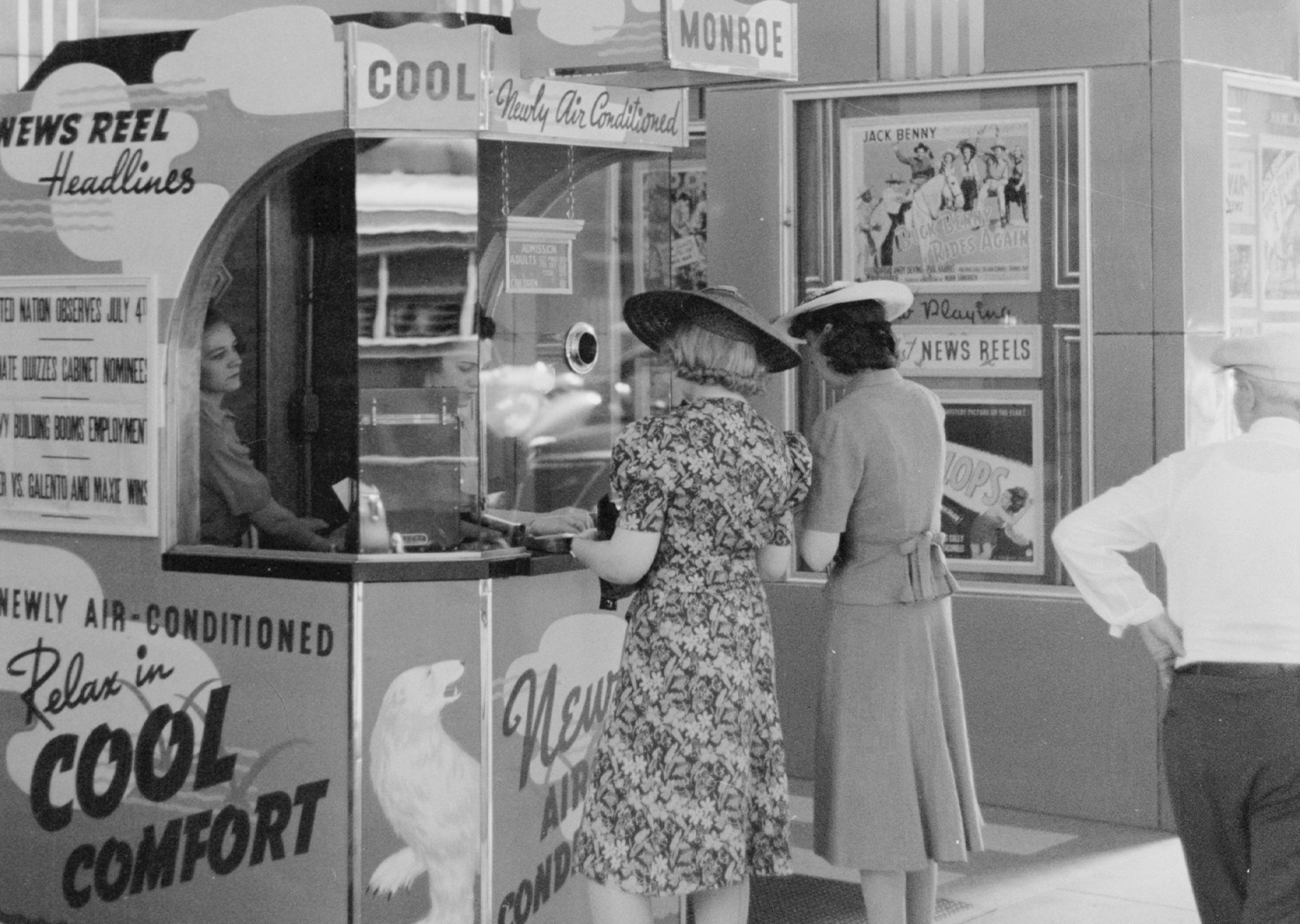
Ticket booth of a Chicago movie theater, July 1940
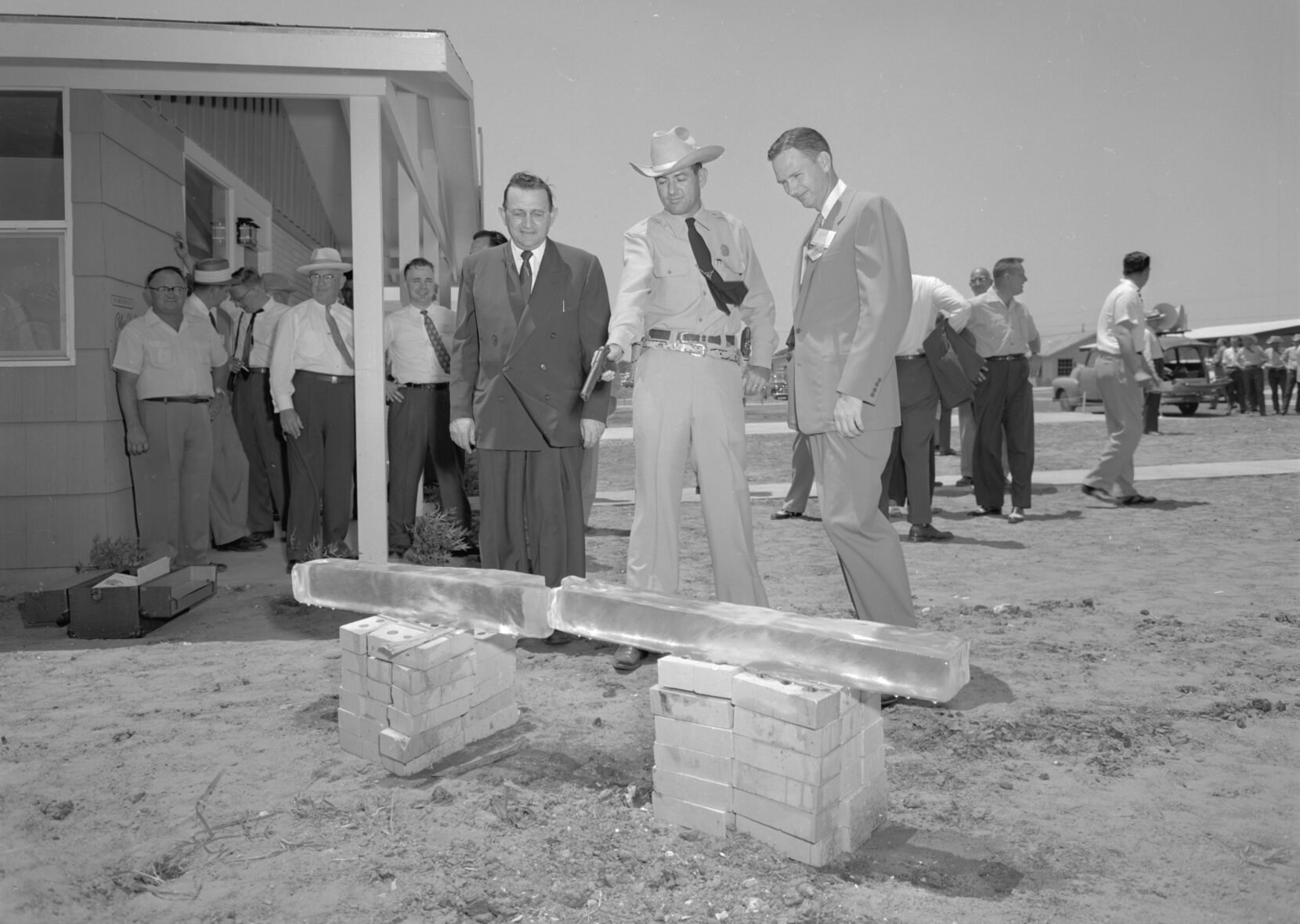
Ceremonial opening of Austin’s Air Conditioned Village, 1954

Cooling speed vest with built-in fans
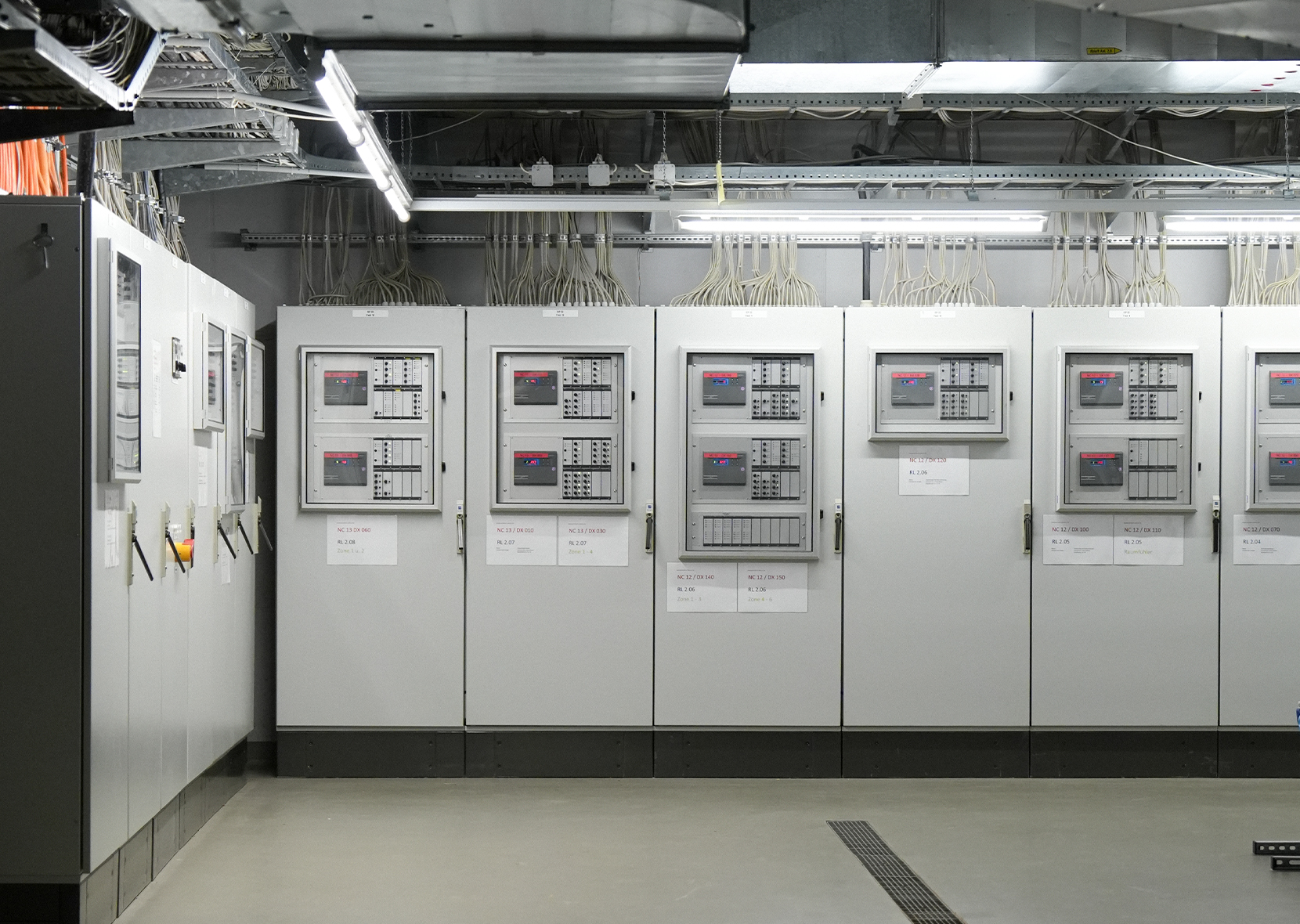
Building Management System (BMS), Pinakothek der Moderne, 2026
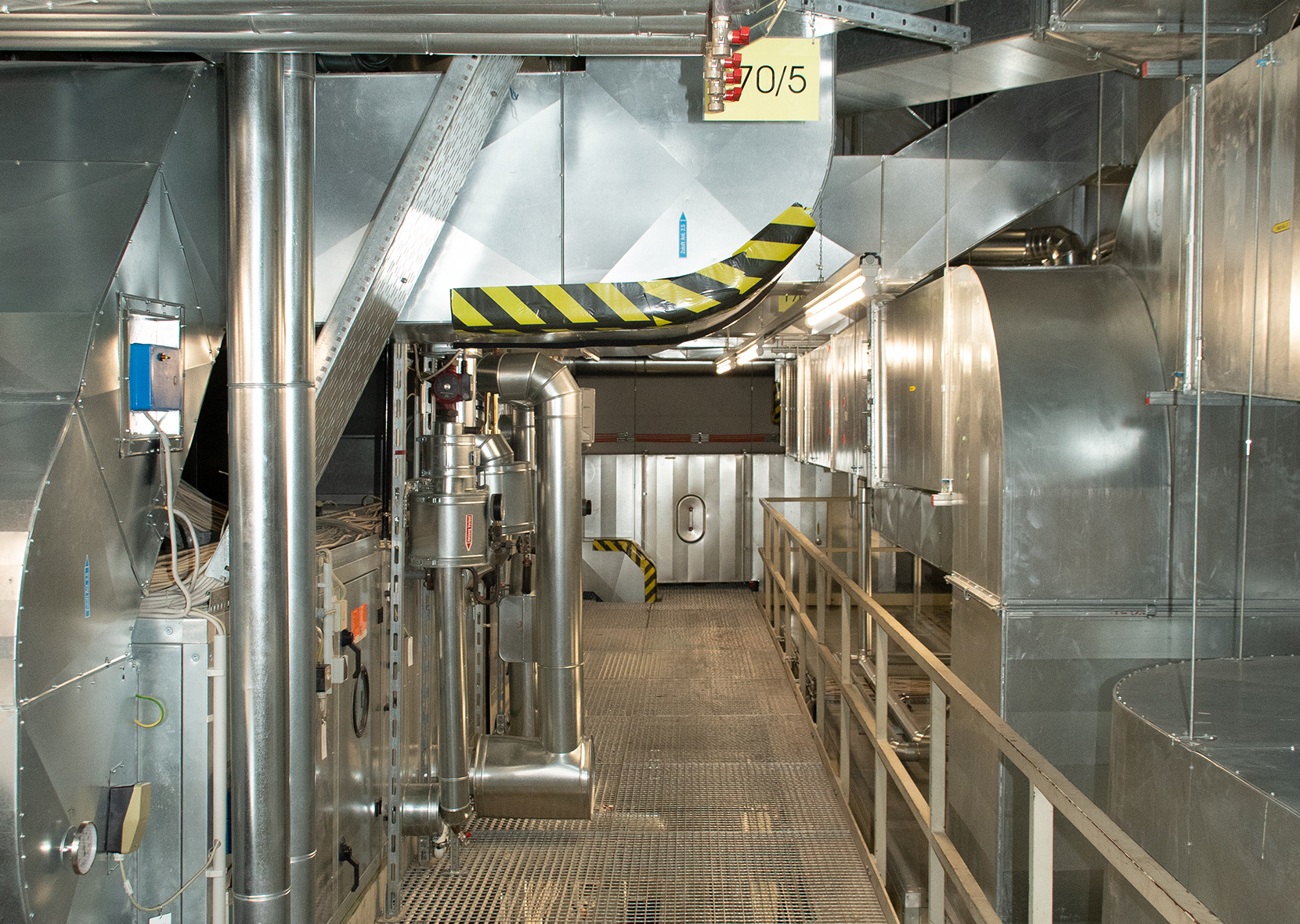
Centralized ventilation system with ventilation duct, Pinakothek der Moderne, 2026
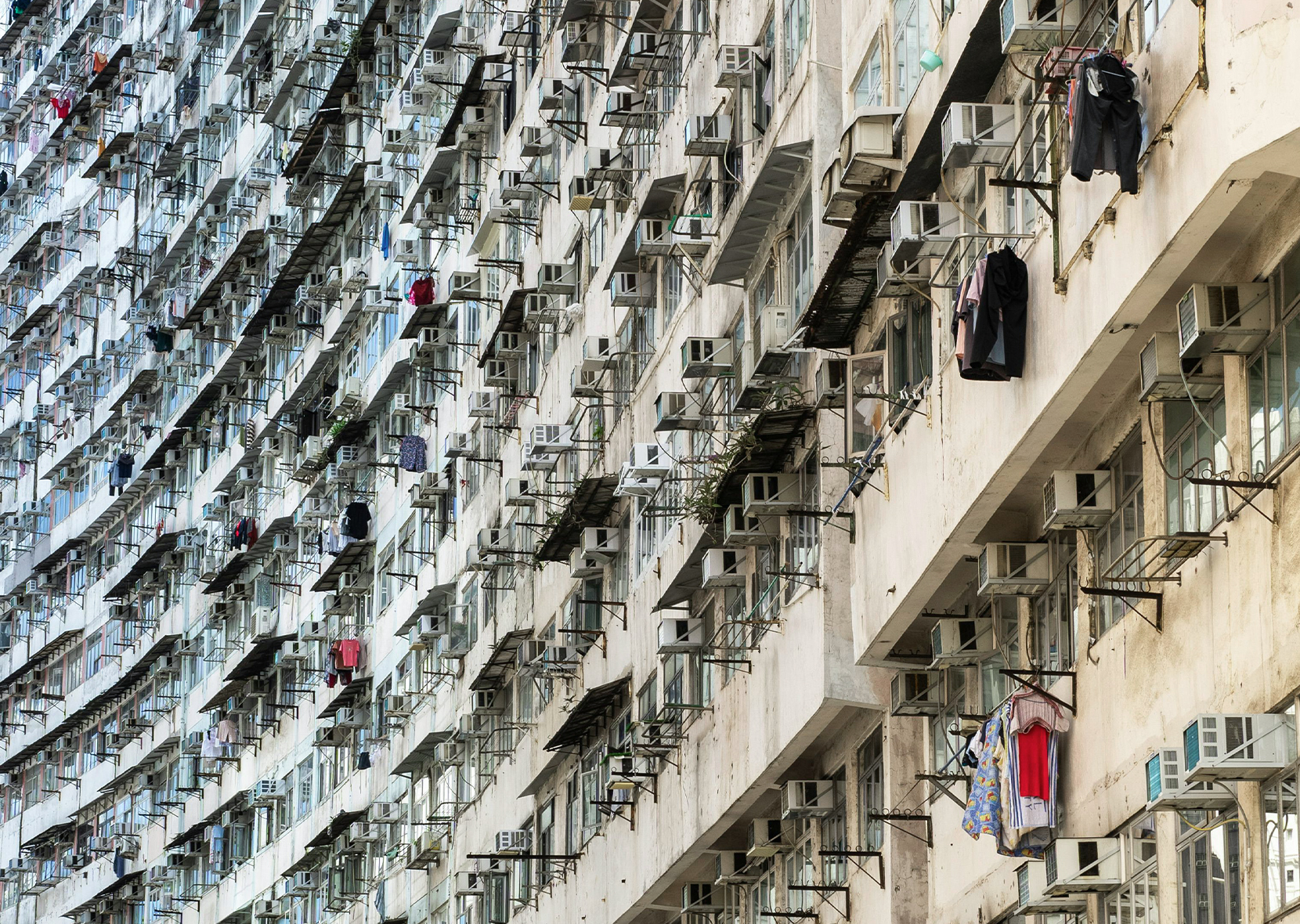
Facade of a residential building in Hong Kong with numerous air conditioning units, 2025

“The Panic Button,” advertisement for a window air conditioner, Look, 25 June 1968.
Ⱥir Conditioned
Architecture between Comfort and Climate Change
The world is warming. Rising temperatures, heat waves occurring earlier each year, and prolonged periods of drought are making thermal stress one of the defining social challenges of the 21st century. Today, heating and cooling alone constitute almost 40% of all energy-related emissions globally. While heating has long dominated energy usage, the demand for cooling is expected to triple by 2050. There is no question that we need to protect ourselves from the heat. But, the situation requires us to fundamentally reconsider how we cool and who most urgently needs it.
When we cool our homes, offices, and buildings, we, in turn, heat up our world. Architecture has become deeply implicated in this paradox. Decades of design decisions employing expansive glass façades, minimal external shading, and spaces that trap heat have created a dependency on year-round climate control. Many of these buildings are chronically over-cooled, leaving occupants with little ability to intervene.
Yet comfort is neither a universal quantity nor is access to it universally guaranteed. Modern comfort standards have been shaped by a geopolitical imagination that has long privileged the moderate climates of Europe and North America as a normative baseline, marginalizing other thermal cultures and practices.
Ⱥir Conditioned critically explores five perspectives on thermal comfort and its profound influence on our culture and (built) environment. It asks how heat is transferred, and how thermal comfort is measured, produced, and distributed globally. Beneath seemingly ideal conditions, it reveals expansive, fragile, and increasingly complex systems designed to be invisible yet all-pervasive.
The exhibition is a platform that raises questions about thermal comfort, inviting all those living in and shaping the built environment to reflect on their experiences of heat and cold and to seek more socially just and resilient pathways for architecture that negotiate between human needs and ecological limits.
An exhibition by the TUM Chair of Building Technology and Climate Responsive Design (Thomas Auer) and the Architekturmuseum der TUM (Andres Lepik).
Curators: Cara Hähl-Pfeifer, Sebastian C. Koth
Research: Bilge Kobas, Sandra G. L. Persiani
Team: Alice Morgane Fleury, Rosa Ebert, Daniel Schlosser
Exhibition Design: optimist office (Munich, Zurich, Brussels)
Graphic Design: hla.studio (Leipzig)
In Cooperation with
Deutsche Gesellschaft für Nachhaltiges Bauen; Wissensstiftung; Wüstenrot Stiftung; PIN. Freunde der Pinakothek der Moderne e.V. und dem Kooperationspartner der Allianz, Freundeskreis Architekturmuseum TUM; Reflex Winkelmann GmbH
With additional support from
hZo GmbH; Kalthoff GmbH; KS Engineering GmbH on behalf of LAMILUX Heinrich Strunz GmbH; W. Söhngen GmbH; str.ucture GmbH
Publication
‘Ⱥir Conditioned: Architecture Between Comfort and Climate Change’ edited by Cara Hähl-Pfeifer, Sandra G. L. Persiani and Andres Lepik, published by Park Books, Zurich (German: ISBN 978-3-03860-497-6, English: ISBN 978-3-03860-498-3; 35 euros).